Living by the seasons in Italy is less about folklore than about logistics. The market tells you what month it is before the calendar does: thin green asparagus in March, crates of tomatoes in August, the first cloudy new oil in November. Match a few small habits to that rhythm and the year gets easier — the shopping cheaper and better, the house cooler in July and warmer in December, the weeks a little more shaped.
What follows is one ritual per month. None takes more than an hour, and most cost almost nothing.
Spring: Reset, Shop, Plant
March — sow something on the windowsill
Fill three small pots with compost and put them on the sunniest sill you have: basil, flat-leaf parsley, and a cherry tomato if there is room. Water from below, turn the pots every few days so the seedlings don't lean towards the glass, and resist the urge to fuss. The point is not self-sufficiency. It is having something green to look at while the weather makes up its mind. Sow more than you need and give the extras away.
April — shop the market without a list
Go with a basket and no plan. Walk the whole length once before buying anything; prices for the same artichokes or puntarelle can vary noticeably from one stall to the next. Then buy the three cheapest, best-looking things on the table and build the week's meals around them. Ask one vendor what came in that morning — that answer is usually the best value in the market, and it turns a chore into a conversation you will have all year.
May — give the balcony a working morning
Pick a dry day, empty the balcony completely, sweep, wash the floor and the railing, and put back only what you actually use. Then plant. Wait until the risk of frost has passed where you live — mid-May in the north, earlier in the south — before basil and tomatoes go out. A bag of compost and four healthy plants will do more for a small terrace than a cartload of furniture.
Summer: Shade, Water, Preserve
June — move the watering to dawn
Water early, before the sun is on the pots, and water properly two or three times a week rather than splashing a little every day. Shallow watering trains roots to sit near the surface, where they dry out fastest. Group pots together in the shadiest corner when you go away. And check the shade itself: a canvas awning or a simple bamboo blind on a west-facing window does more for afternoon comfort than most people expect.
July — close the house at ten
By ten in the morning, shut the windows and the shutters on the sunny side. Open everything again in the evening, once the air outside is cooler than the air inside. Cook in the morning if you are going to cook at all; an oven running at seven in the evening fights the whole plan. Start with the bedroom — shut its shutters first and it stays the coolest room in the house by nightfall.
August — buy tomatoes by the crate
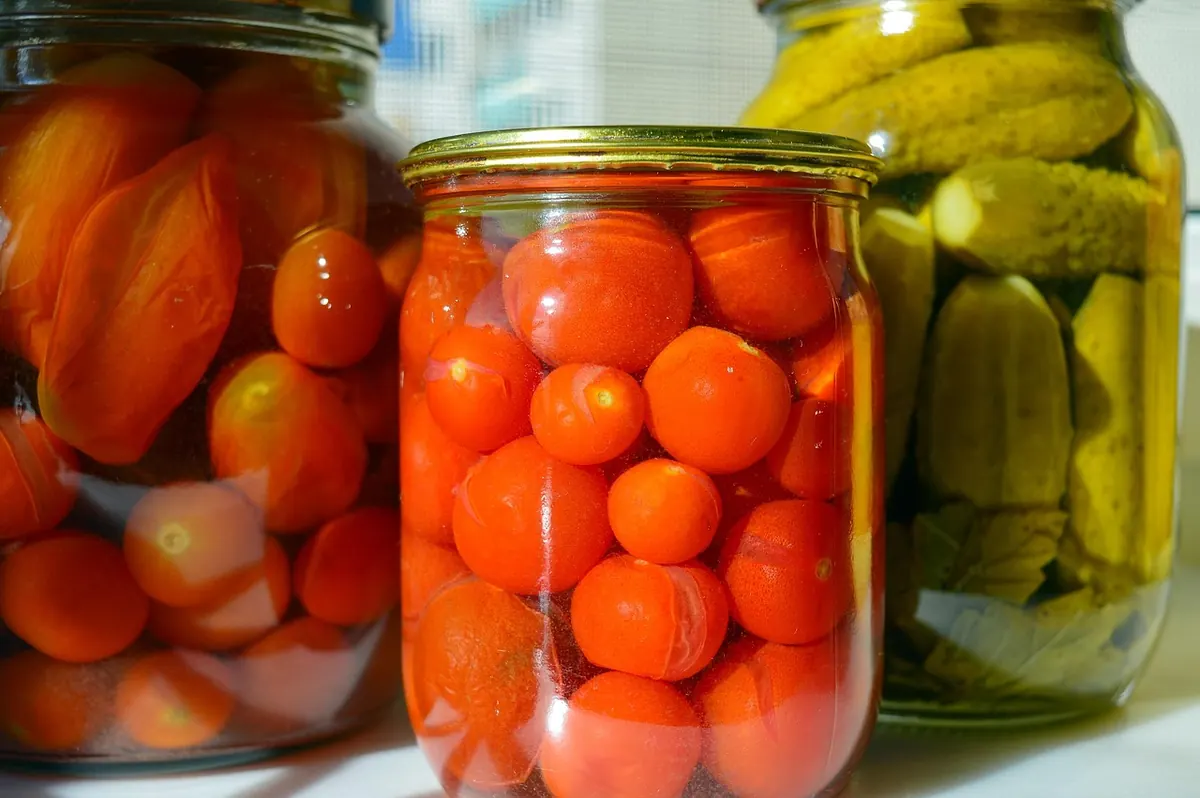
Late in the month, when the stalls are drowning in tomatoes, prices fall. Buy a crate and make passata: wash, halve, simmer until soft, pass through a food mill, salt lightly. If you want to bottle it, follow a reliable preserving method — or freeze it in flat bags, which is simpler and safer. Roasted halves with garlic and oil, frozen on a tray and bagged, will carry you to January.
Autumn: Turn the Kitchen and the Gutters
September — swap the kitchen over
Take the summer things off the shelf — the salad bowls, the jug, the lemon squeezer — and put the oven dishes where you can reach them without moving anything. Clean the oven before the heavy season starts, check that your lids match their pots, and make one long, slow dish: a tray of peppers, a simple apple cake, a braise. Get the kitchen ready before the appetite changes.
October — walk the rain route
On the first properly wet day, walk around the outside of the house and watch where the water goes. Clear leaves from gutters and balcony drains, check that downpipes carry water away from the walls, and look for the damp patch that only appears in autumn. Ten minutes with a rake now is cheaper than a ceiling repair in February. Indoors, air the rooms on dry mornings even when it is cold; a short blast beats a sealed house.
November — buy the new oil
Oil pressed this month is a different thing from the bottle you buy in June: greener, peppery, and it fades. Buy a small quantity from a producer you can talk to, use it raw on bread, beans and soup, and keep it in a dark cupboard away from the stove. Then empty the pantry shelf by shelf, wipe it down, and use up what is already open before you restock.
Winter: Light and Warmth
December — fix the light at the door
Winter comfort starts at the entrance. Clear a space for wet shoes, put a hook at the right height for coats, and give the hallway a lamp with a warm bulb on a timer so you come home to a lit doorway rather than a dark one. Inside, use two or three low lamps instead of the ceiling light in the evening. Warm light at eye level makes a cold room feel finished.
January — heat the person, not the street
Before you turn the heating up, put a wool blanket on the sofa, a hot water bottle in the bed ten minutes before you get in, and a draught excluder at the door that actually touches the floor. Keep living rooms around nineteen or twenty degrees and bedrooms cooler. If your home is damp, or you have health concerns about the cold, ask a doctor or a qualified technician rather than guessing.
February — eat the citrus, check the plants
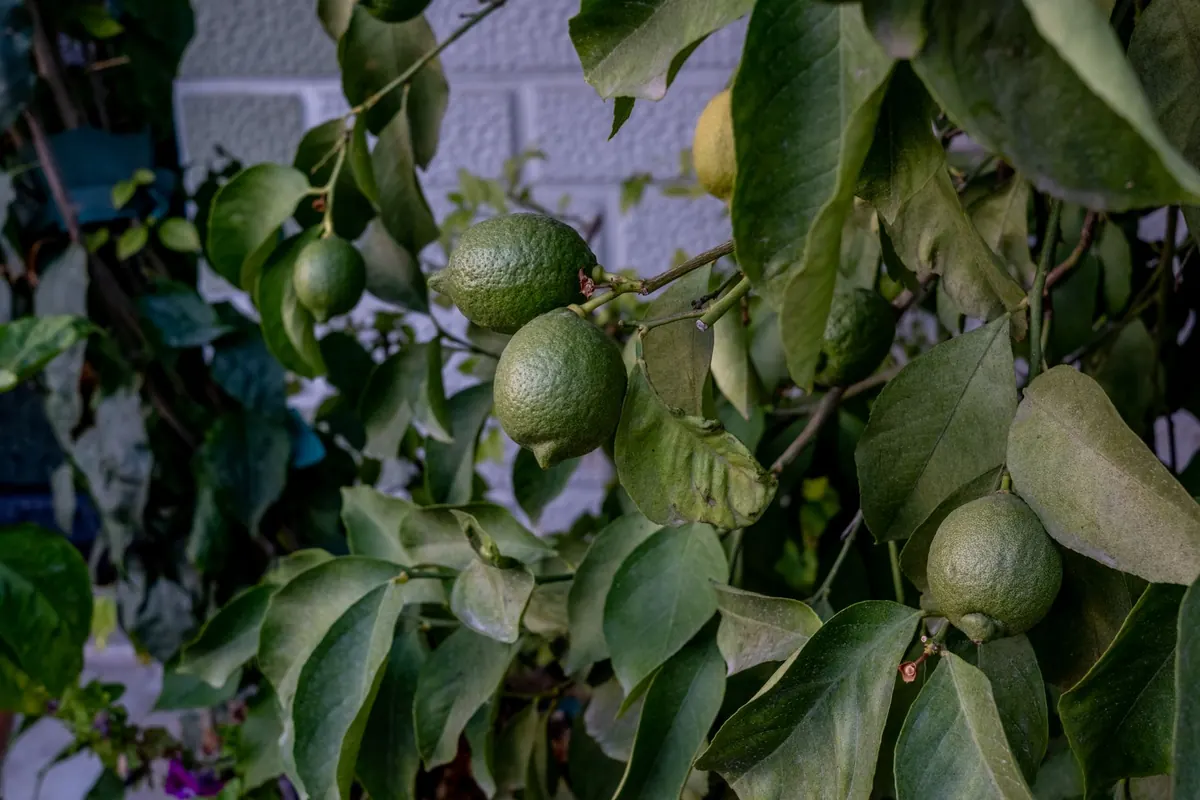
This is the month to buy citrus by the net: blood oranges, lemons with their leaves still on, kumquats. Use them in salads, squeeze them over fish, and make a jar of marmalade on a wet Sunday. It is also the last quiet month for the garden. Clean and sharpen your tools, and look up the pruning window for each plant instead of cutting everything at once.
A Short Kit That Makes All Twelve Easier
- A flat basket with handles that sits steady on a car seat or a bike rack.
- Four or five glass jars with lids that match, kept in one place.
- A watering can with a narrow spout, so seedlings aren't drowned.
- A draught excluder and a spare warm bulb, stored together.
- A small notebook, or one note on your phone, listing what worked.
Start With Three
Twelve rituals is a plan; three is a habit. Choose the ones that fit your house — the midday shutters, the market basket, the blanket on the sofa — and write them on the calendar beside the market days you already know. Tie each one to something that happens anyway: after the coffee, before the shop closes, when the bin goes out.
Expect to skip months. A wet April will ruin the balcony morning, so move it to May; a hot October will make the drain walk feel pointless until the first storm proves otherwise. At the turn of each season, spend ten minutes with the list. Keep what worked, drop what didn't, and add one more.
Photo: Magna_KursUr / Pixabay